 FR
FR EN
EN
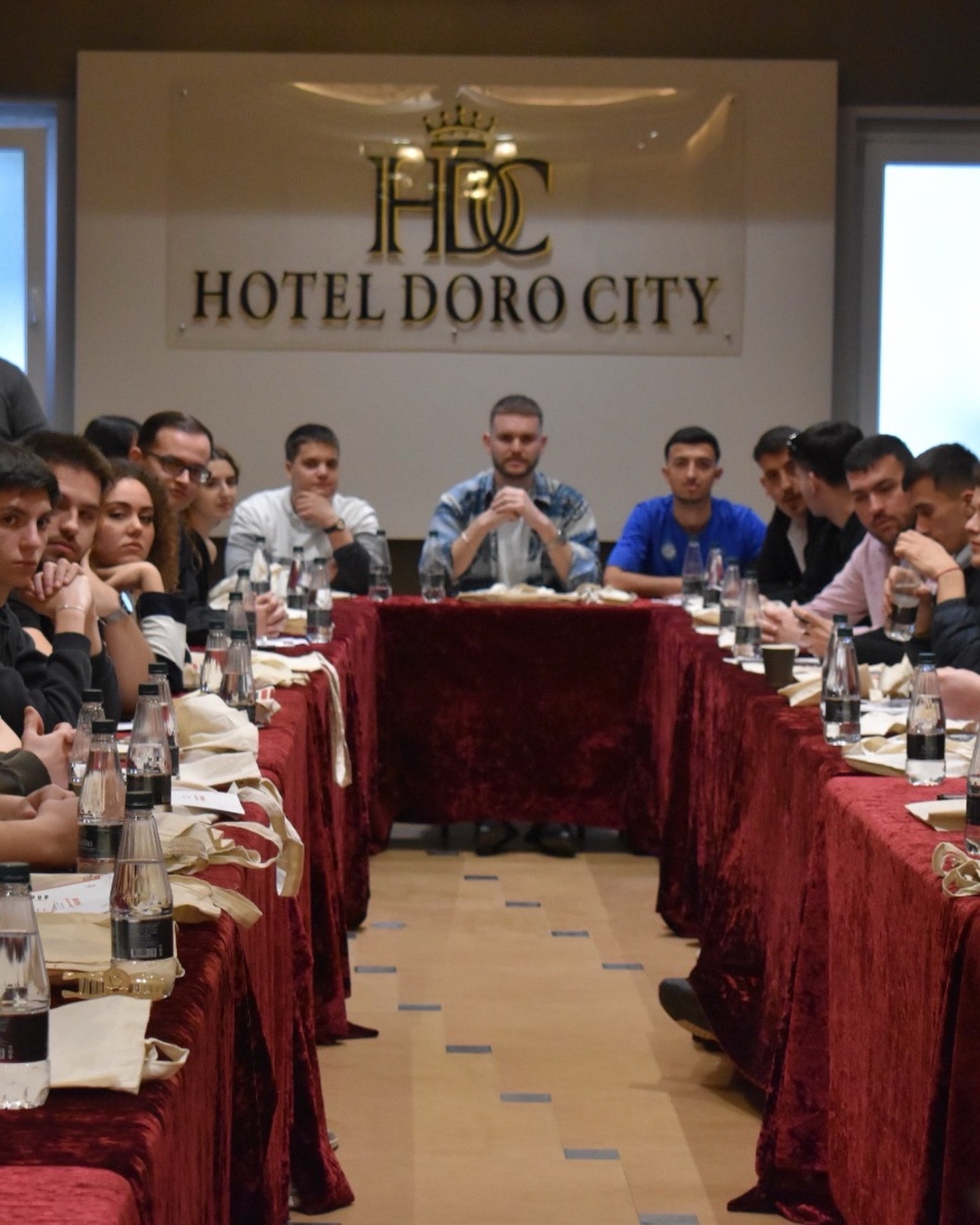
In Tirana, Ulcinj, Belgrade, Sarajevo, and Ohrid, 135 young people aged 18 to 24 arrived by bus, train, and plane from Albania, Bosnia and Herzegovina, Kosovo, Montenegro, North Macedonia, and Serbia. They came to spend a week with peers they might otherwise never have met.
Many arrived as strangers, sometimes carrying the weight of histories written for them long before they were born. Most left as something much closer to friends.
These five gatherings formed the 2026 bootcamp series of Shared Horizons, a regional youth mobility programme led by PLAY International. The wider initiative is funded by the French Ministry for Europe and Foreign Affairs and implemented by Expertise France, reflecting France’s longstanding commitment to reconciliation, regional cooperation, and the European future of the Western Balkans.
Our contribution to that vision is simple: use sport and honest dialogue to bring young people together across ethnic and national lines, and then trust them to take the next steps.
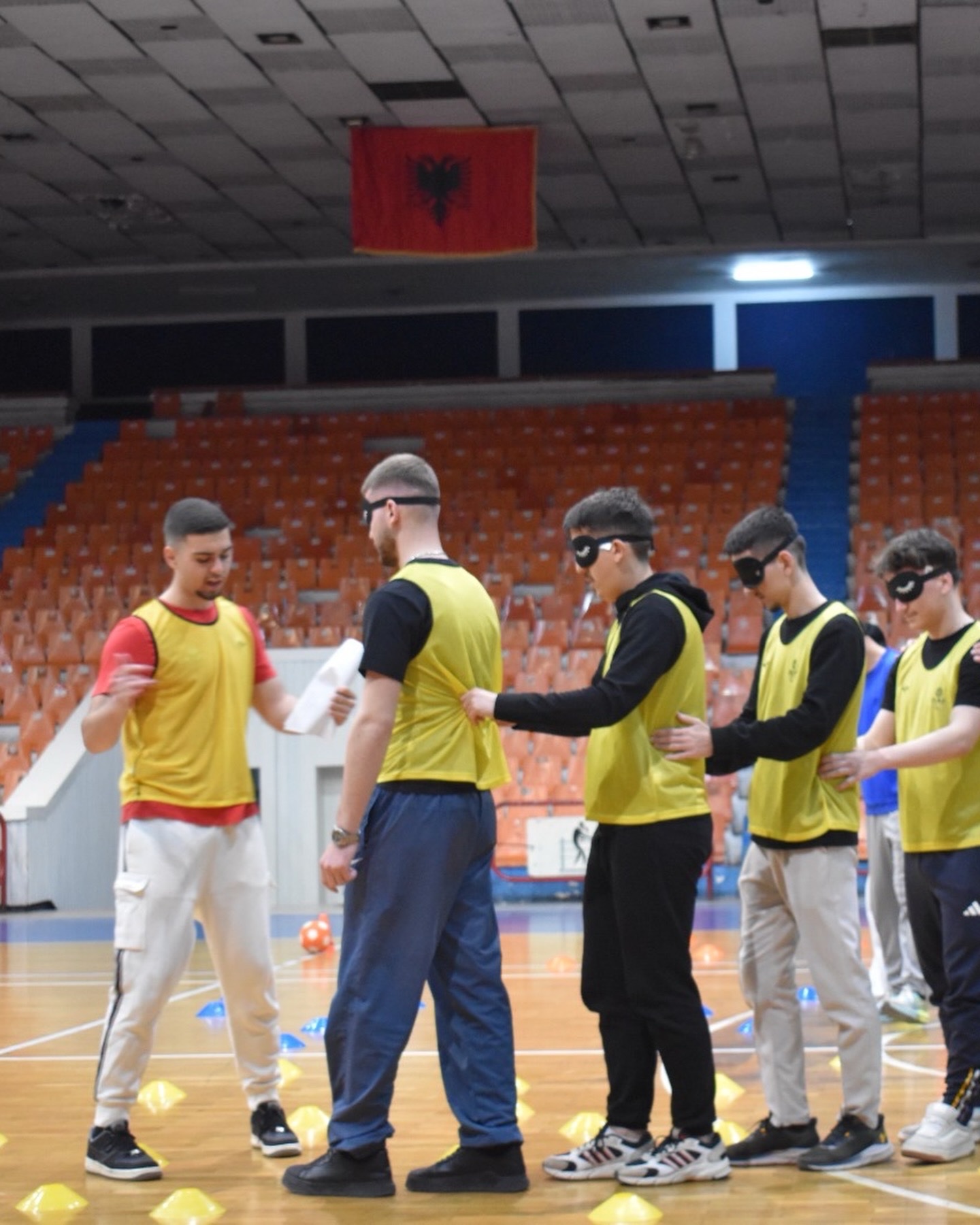
Each bootcamp followed a rhythm that has become our signature
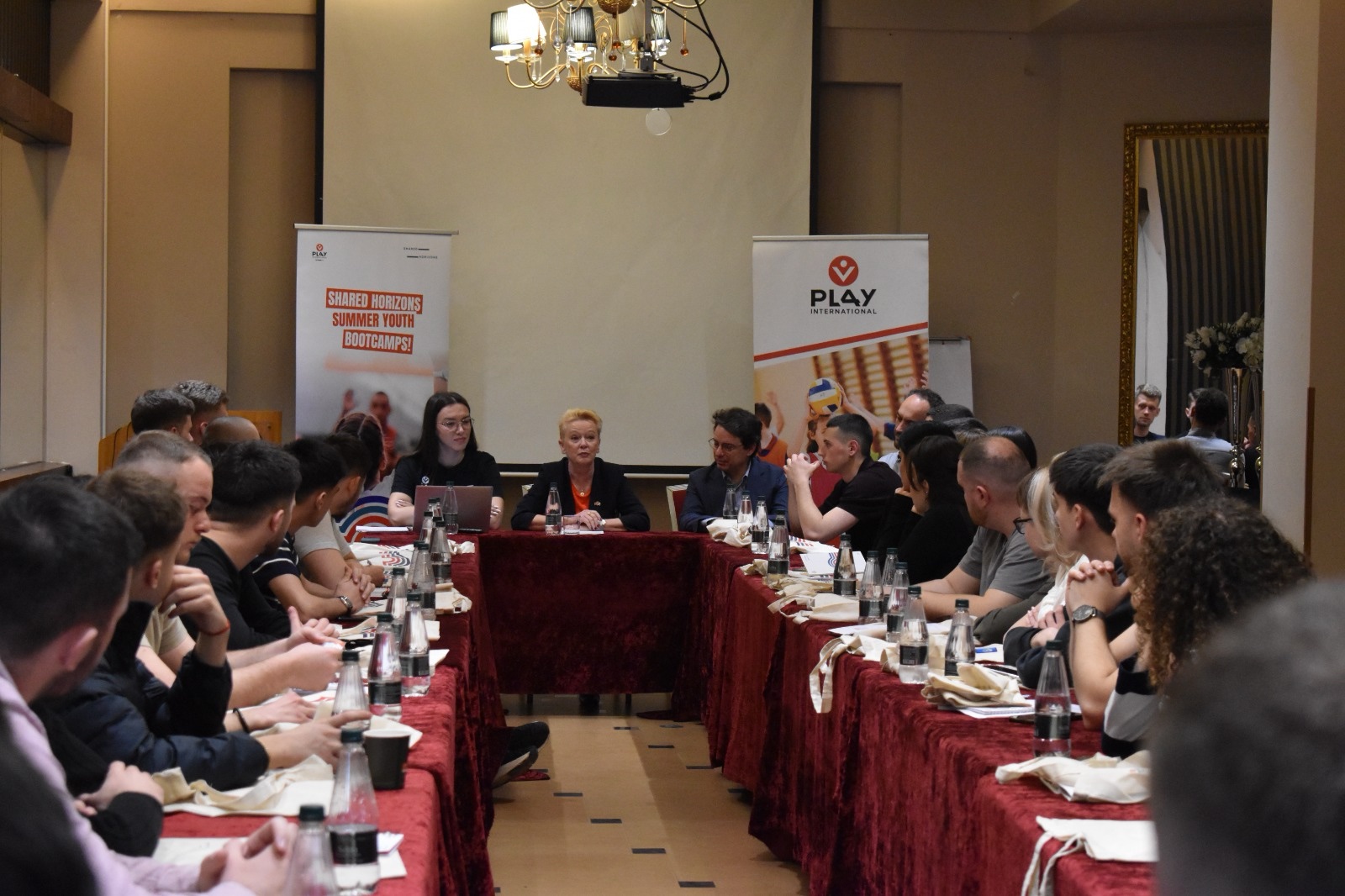
Mornings took place on the pitch, where socio-sport sessions used games to strengthen teamwork, communication, and the quiet discipline of cooperating with someone met only the day before. Afternoons moved into the discussion room, where youth-led debates addressed questions that too often remain unspoken: identity, memory, belonging, and what reconciliation truly asks of each person.
The bootcamps were built around European, Olympic, and Paralympic values because fair play, respect, inclusion, and solidarity can be understood across every border in the region.
The changes achieved over five days were measurable
Before arriving, approximately one-third of participants, around 33 percent, said they were familiar with European, Olympic, and Paralympic values. By the end of the bootcamps, this had risen to 75 percent, more than doubling the level of familiarity in less than a week.
The proportion of participants who believed that reconciliation is genuinely achievable in the Western Balkans increased from 61 percent to 85 percent. Confidence in interacting with young people from different ethnic or national backgrounds, already high at the beginning, reached almost everyone by the end, rising to 98 percent.
The most important changes, however, are those that participants carry home
The share of participants who said they regularly discuss reconciliation and social unity with their peers increased from 54 percent to 69 percent. The proportion who had taken concrete steps to promote inclusion in their communities rose from 68 percent to 82 percent.
These are not abstract results. They represent young people choosing to begin difficult conversations, organise initiatives, and take action long after the bootcamp has ended and they have returned home.
Numbers tell only part of the story
Of the 135 participants in 2026, 66 were young women and 15 came from minority backgrounds. This representation was deliberate and reflects a principle we hold closely: reconciliation cannot be selective.
A genuinely inclusive future must be built in the widest possible room, with voices that are too often left at the edges placed firmly at its centre.
Anyone who has stood on the sidelines of these bootcamps recognises the moment when everything begins to click.
A team that could not agree on a warm-up exercise on the first day is finishing each other’s sentences across three languages by the fourth. A debate that began with crossed arms ends with someone acknowledging that they had never heard the other perspective expressed in quite that way. A group that arrived divided by maps leaves making plans to stay connected.
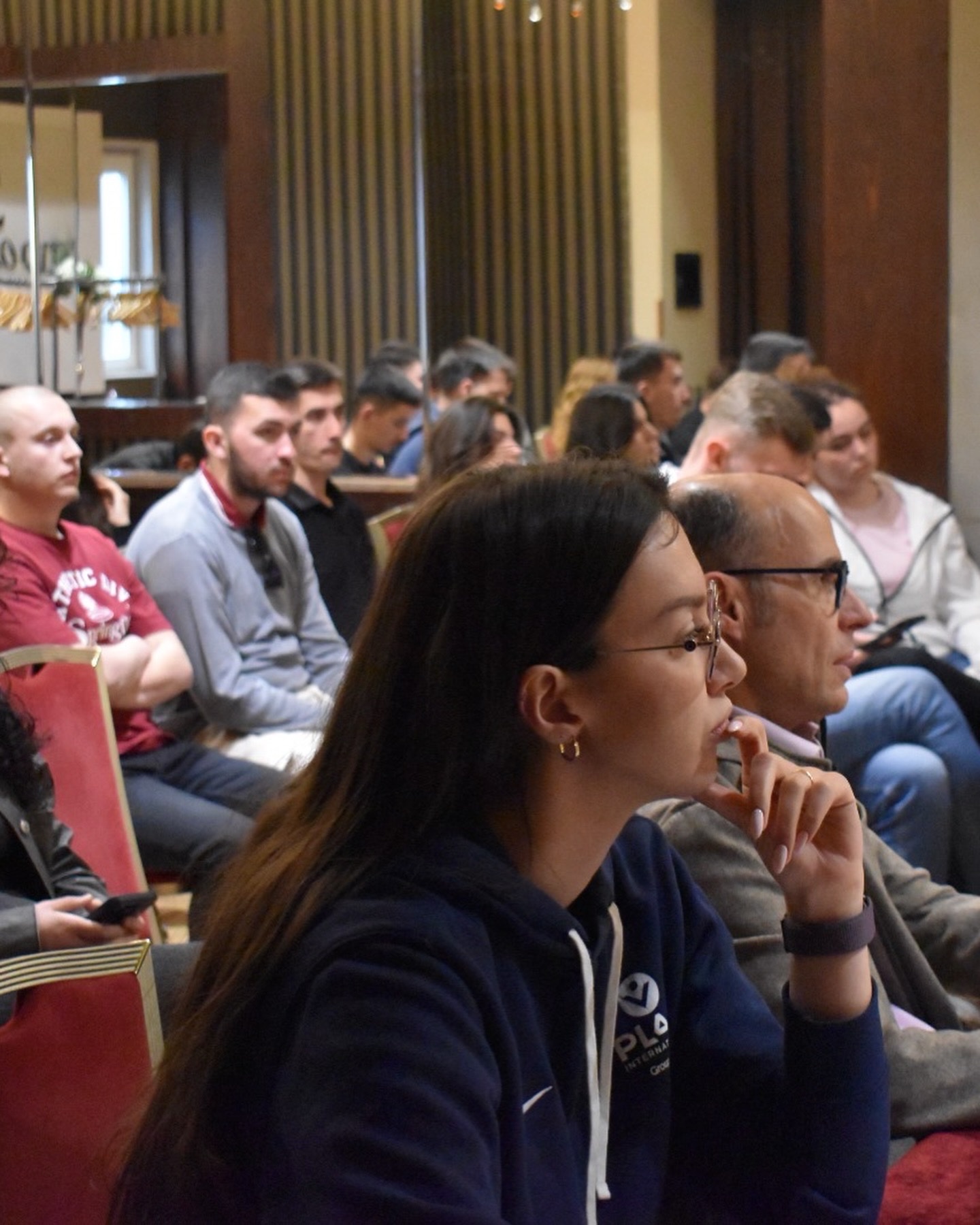
These moments may appear small. They are also exactly the point
The Western Balkans does not need its young people to forget their differences. It needs them to meet across those differences and discover how much they already share.
In 2026, across five cities, 135 young people did exactly that. They have now returned to their towns, universities, and clubs, carrying with them a network of peers across six countries and the quiet conviction that a more connected region is not a naive idea, but a genuine possibility.
That is the horizon we share
We are grateful to the French Ministry for Europe and Foreign Affairs and Expertise France for helping more young people move towards it. We also thank the partners, federations, and host communities in every city whose support and hospitality made these five bootcamps possible.
And to every participant who showed up, played hard, debated honestly, and remained open to someone they may once have been taught to keep at a distance: thank you.
You are the reason this works.