 FR
FR EN
EN
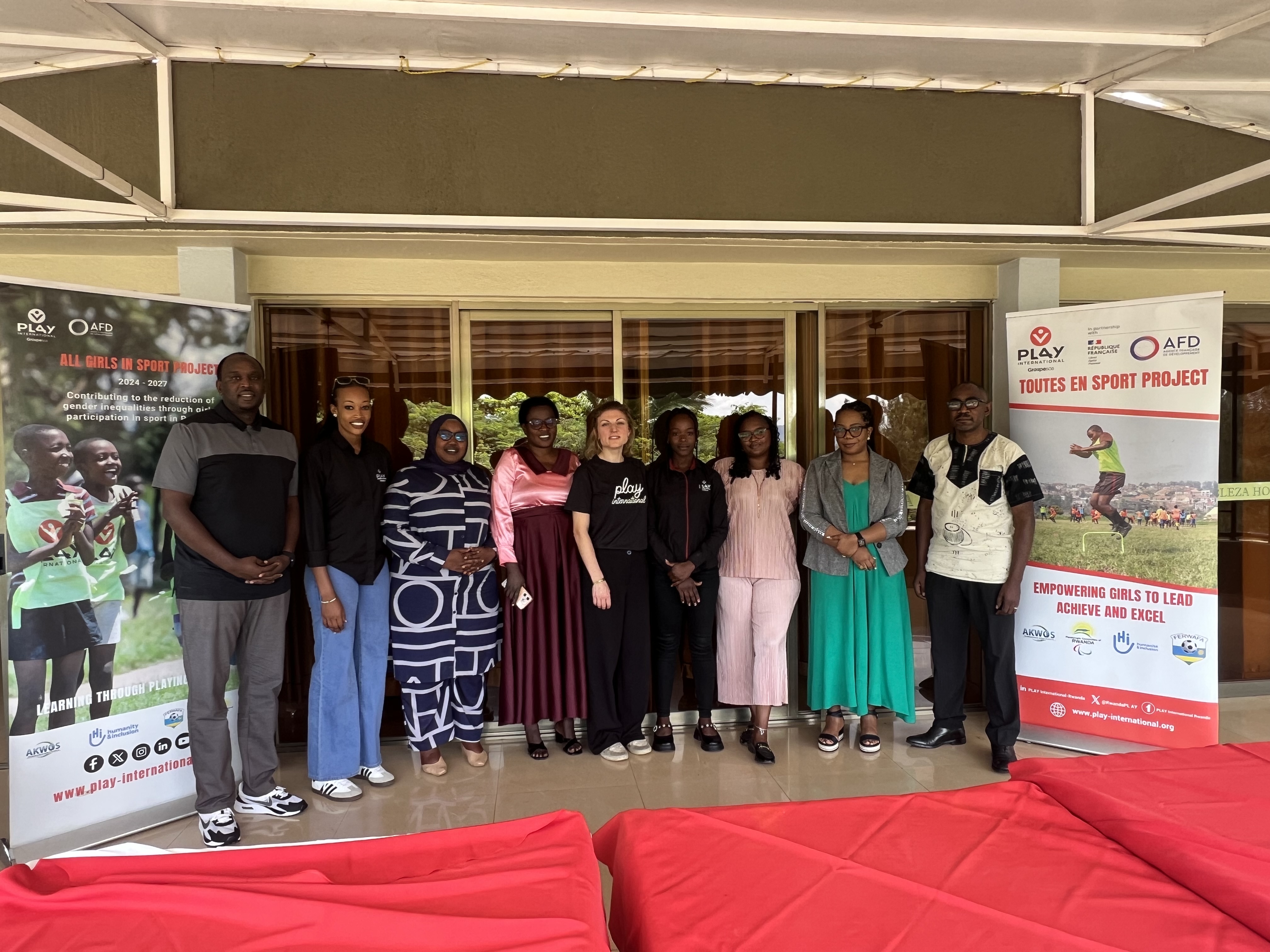
Play International Rwanda recently welcomed Anne Meaux, Head of Innovation and Educational Development at Play International Headquarters, for an eight-day field visit focused on strengthening safeguarding knowledge, improving program quality, and reinforcing child protection practices across the Toutes En Sport (TES) project activities in Rwanda.
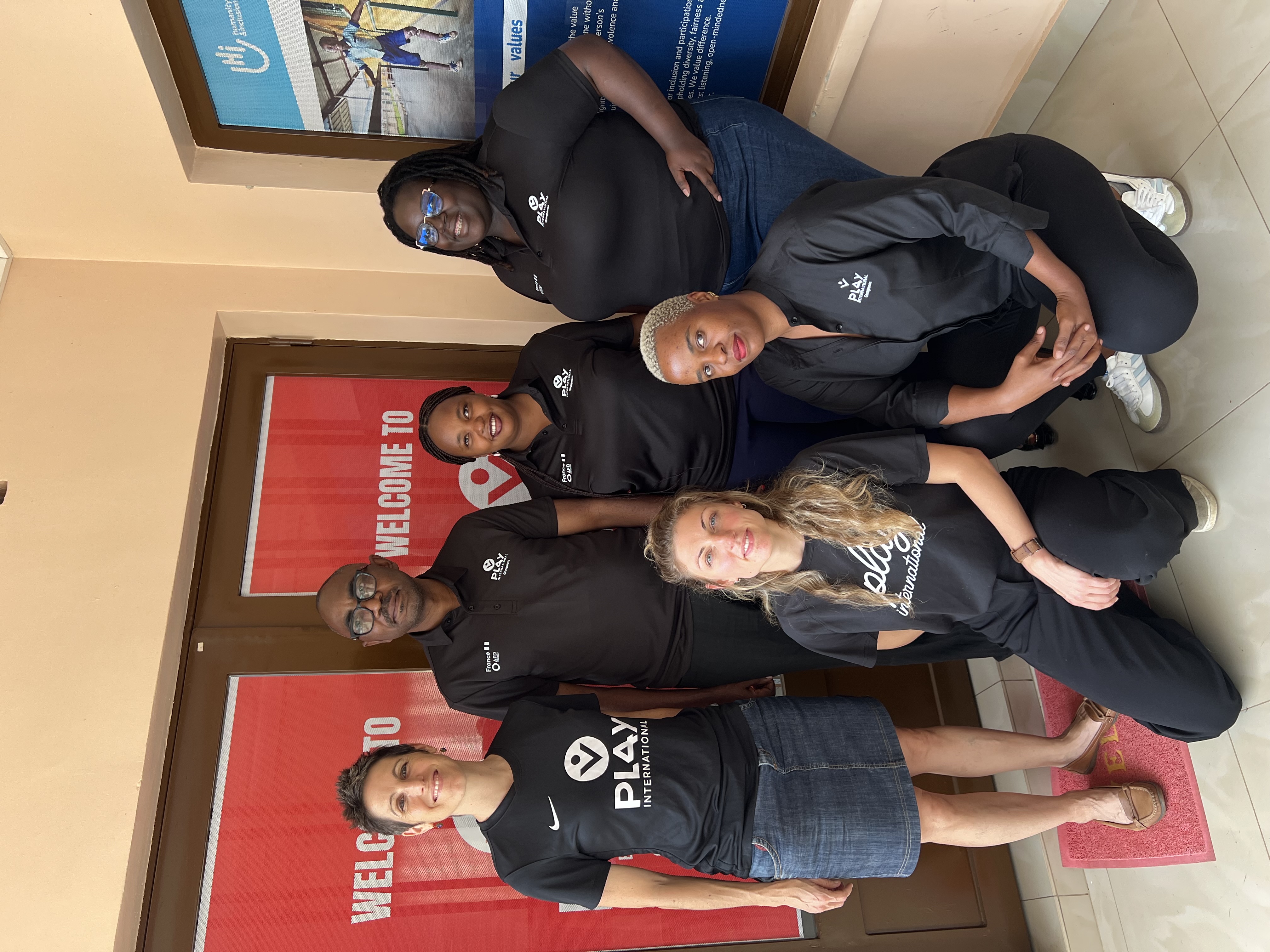
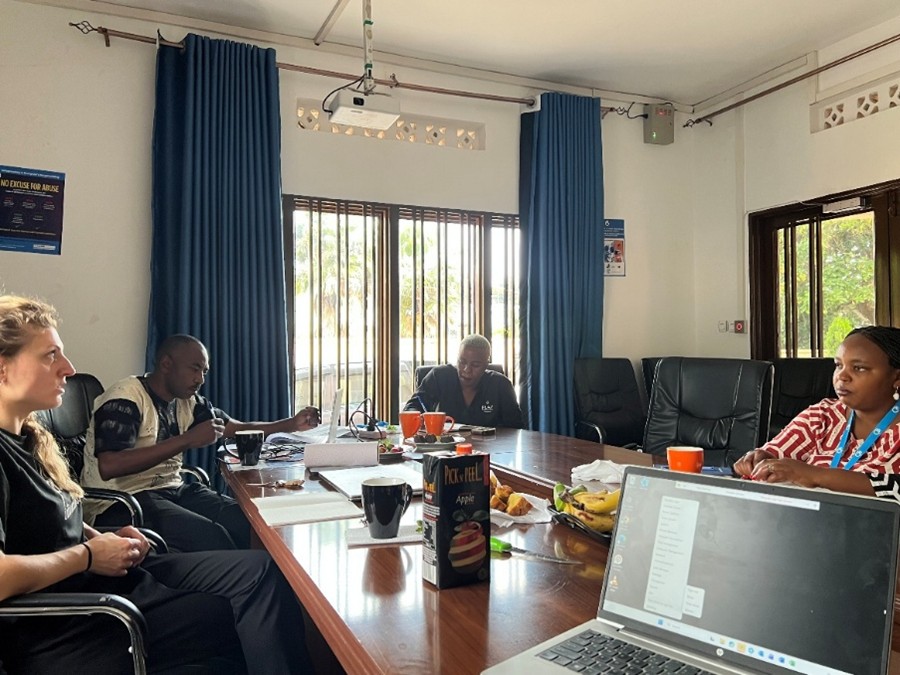
Throughout the visit, Anne worked closely with several categories of participants, including PLAY Rwanda staff, football club coaches and representatives, safeguarding focal point persons and executive committee members from the National Paralympic Committee of Rwanda, and community role models involved in the TES project.
Strengthening PLAY Rwanda staff capacity
Anne facilitated a safeguarding session for PLAY Rwanda staff focused on strengthening their understanding of child protection responsibilities and enhancing the integration of safeguarding principles into daily programming. Through interactive discussions, practical exercises, and collective reflection, participants reinforced their capacity to create safe, inclusive, and supportive environments for children and young people.
Supporting coaches and football club representatives
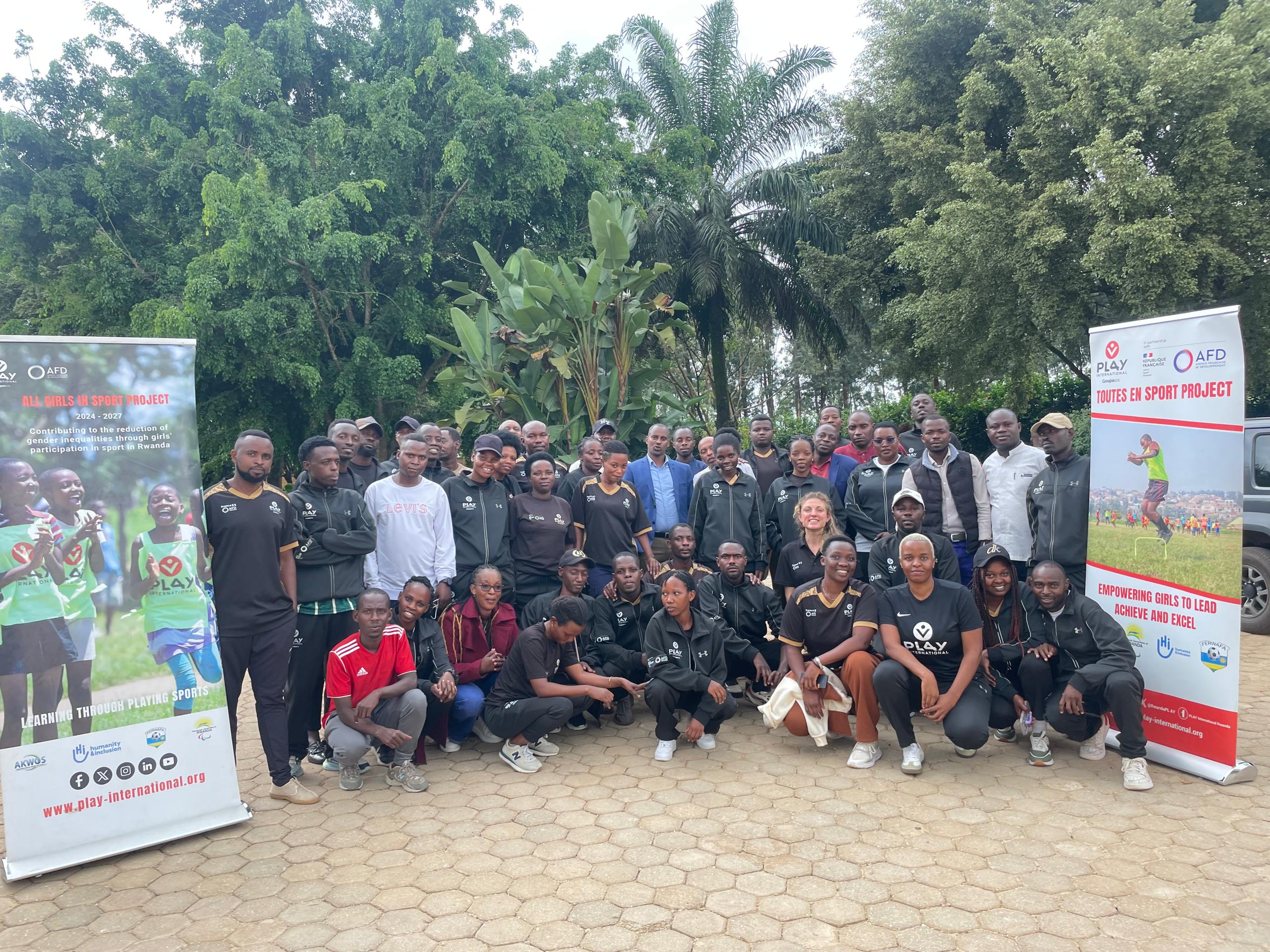
One of the most impactful components of Anne’s visit was the safeguarding training delivered to football coaches and club representatives, who interact most closely with children during sports activities. The sessions explored practical and child-centered approaches to coaching while highlighting the important role coaches play in building safe, respectful, and encouraging environments.
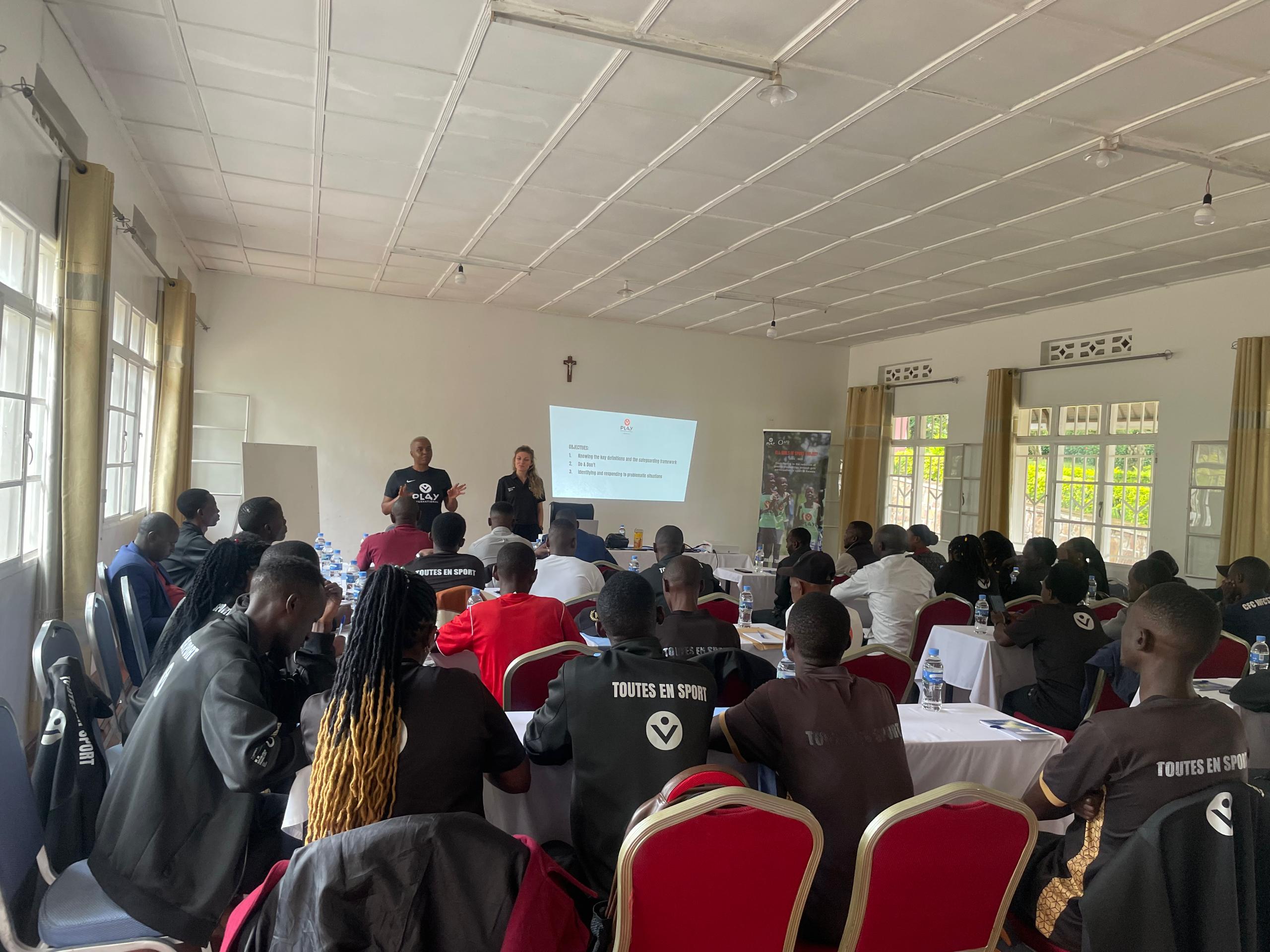
During the discussions, coaches reflected on behaviors that may negatively affect children, including the use of harsh language, intimidation, public criticism, hurtful comparisons, and discouraging comments etc. Many participants acknowledged that such actions are often unintentional but can deeply impact a child’s confidence, emotional well-being, and sense of belonging.
Through practical exercises and open dialogue, coaches explored more supportive communication methods. Participants themselves discovered that safeguarding is not only about preventing abuse but also about fostering trust, dignity, emotional safety, and positive relationships with children.
Strengthening Safeguarding within the National Paralympic Committee
Representatives from the National Paralympic Committee also benefited from targeted support aimed at strengthening their safeguarding policy and implementation strategies. Discussions focused on practical approaches to policy dissemination, awareness raising, and ensuring safeguarding measures are effectively integrated within sports structures and activities.
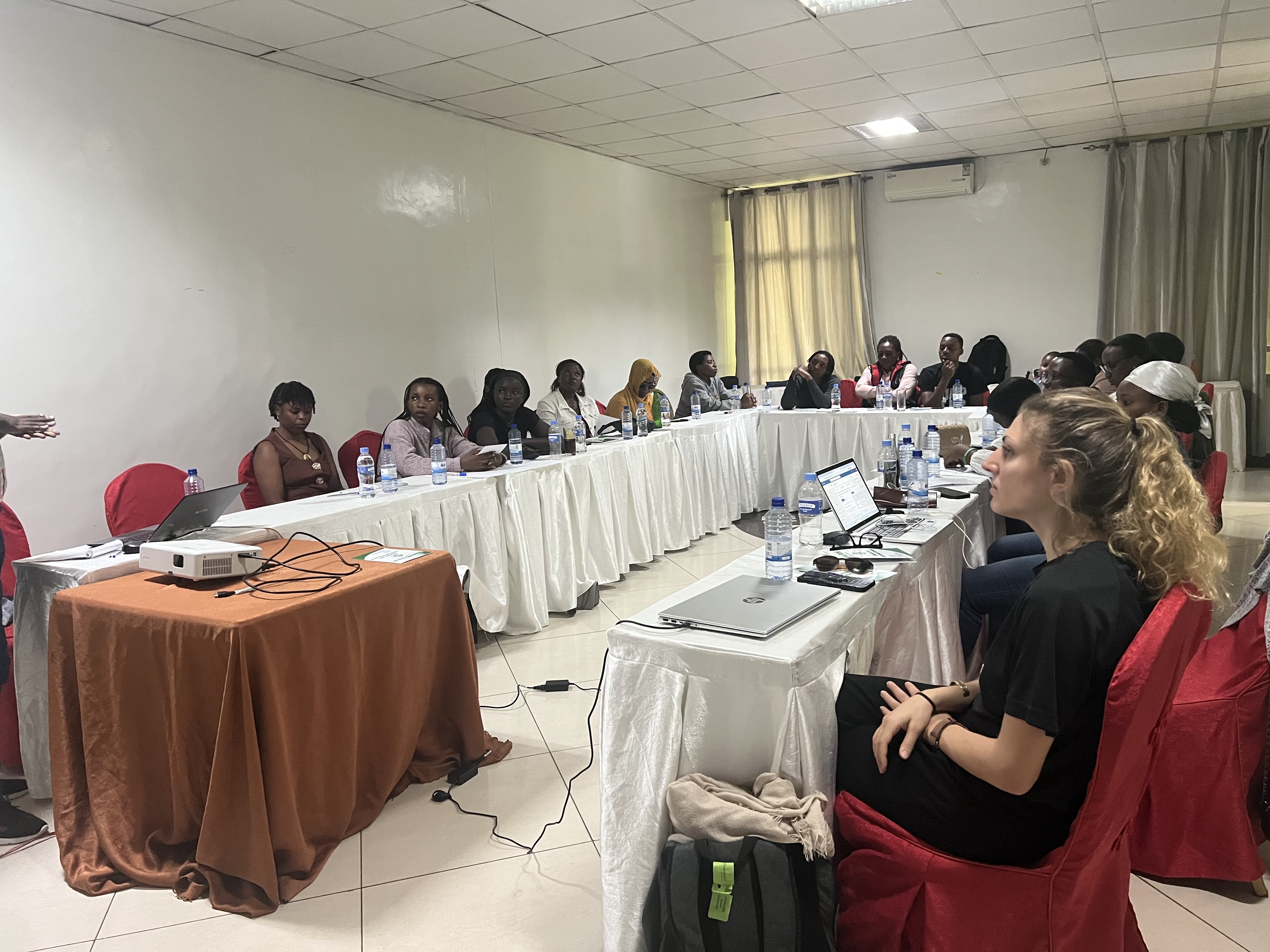
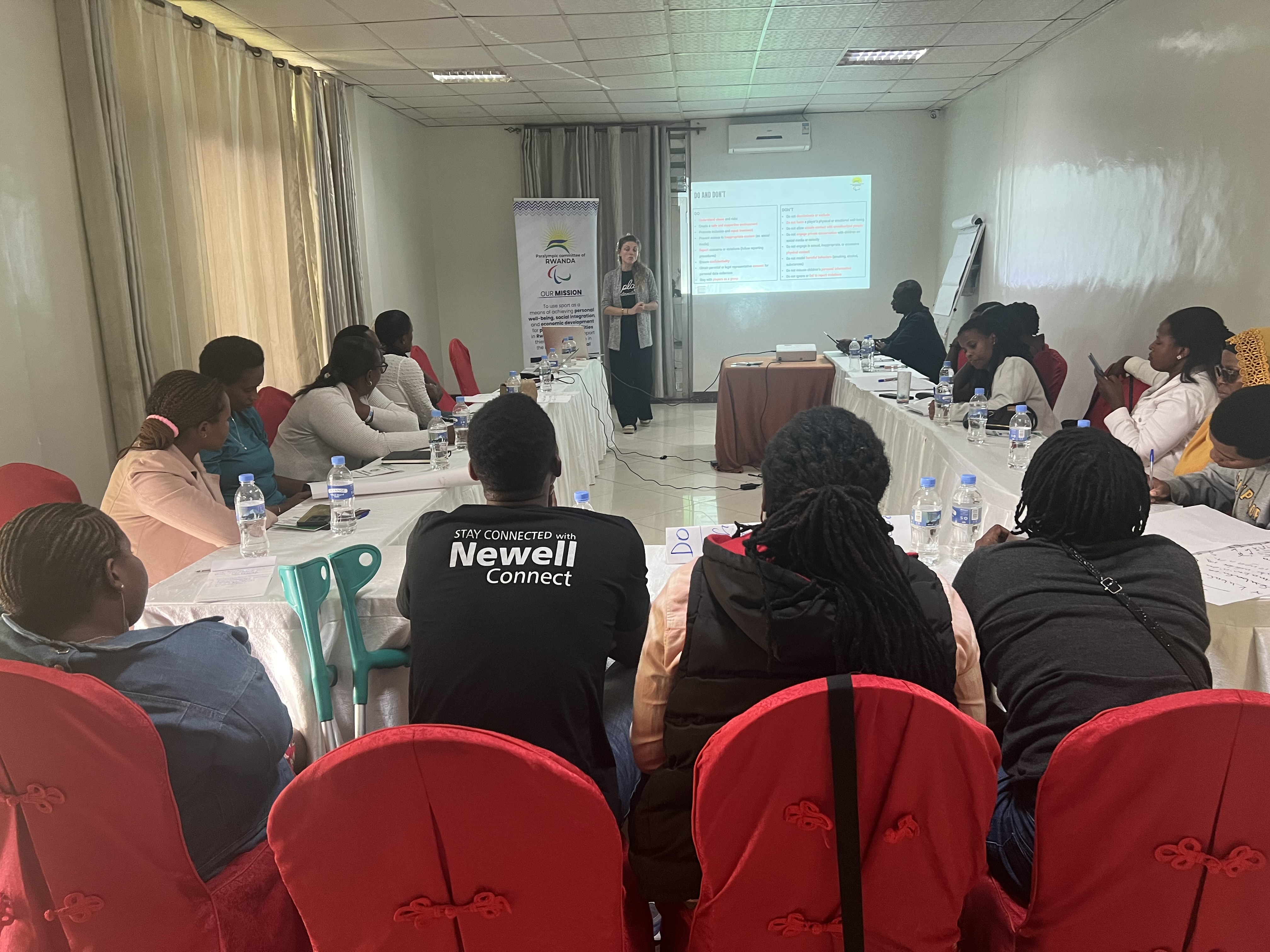
The sessions reinforced the importance of institutional commitment to safeguarding and encouraged participants to continue promoting safe and inclusive sporting environments for all athletes and participants.
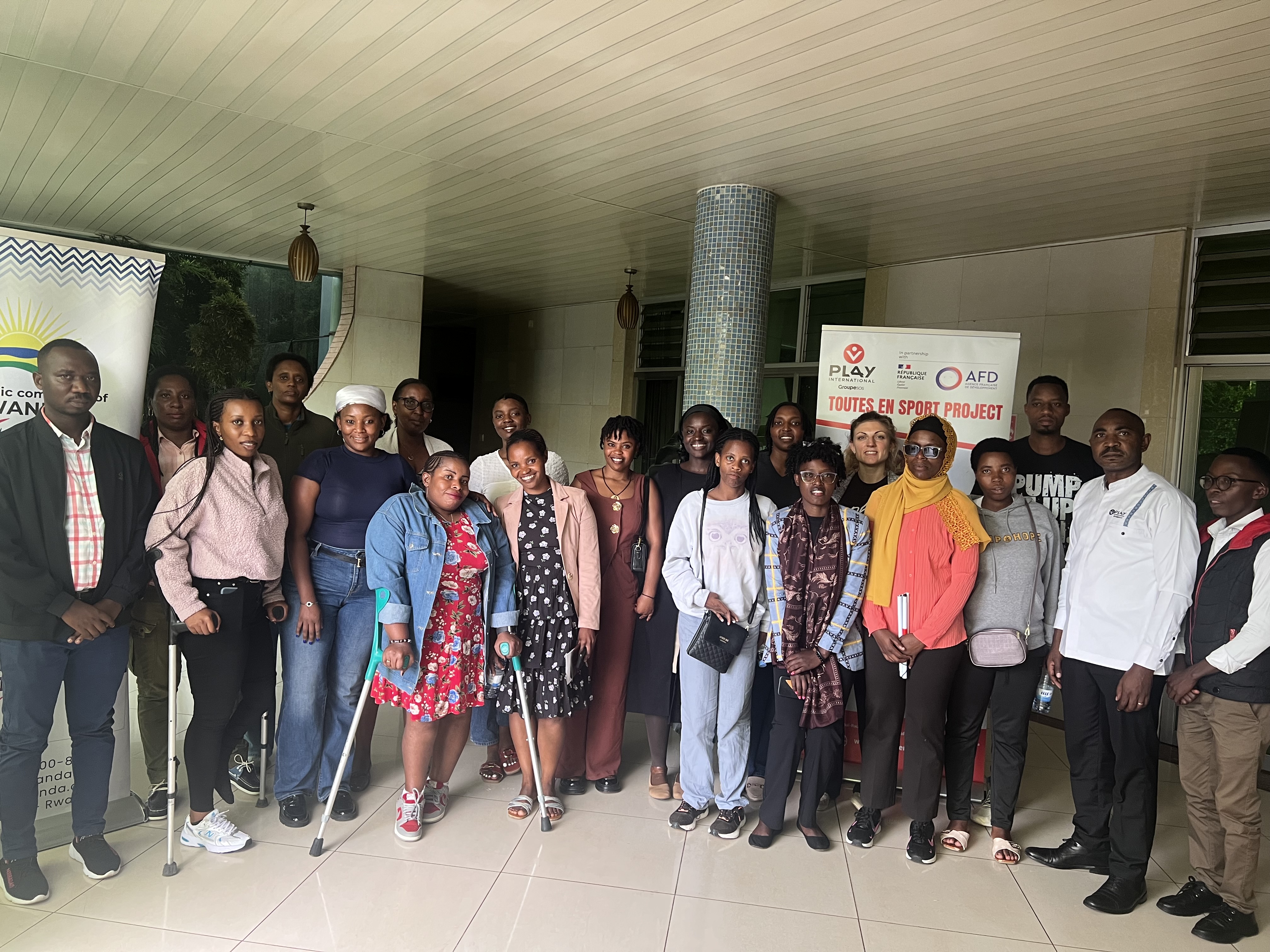
Empowering TES Role Models
Project role models recognized men and women in the field of sport. These influential figures use their visibility and experience to motivate communities and encourage girls’ participation in sports and community activities.
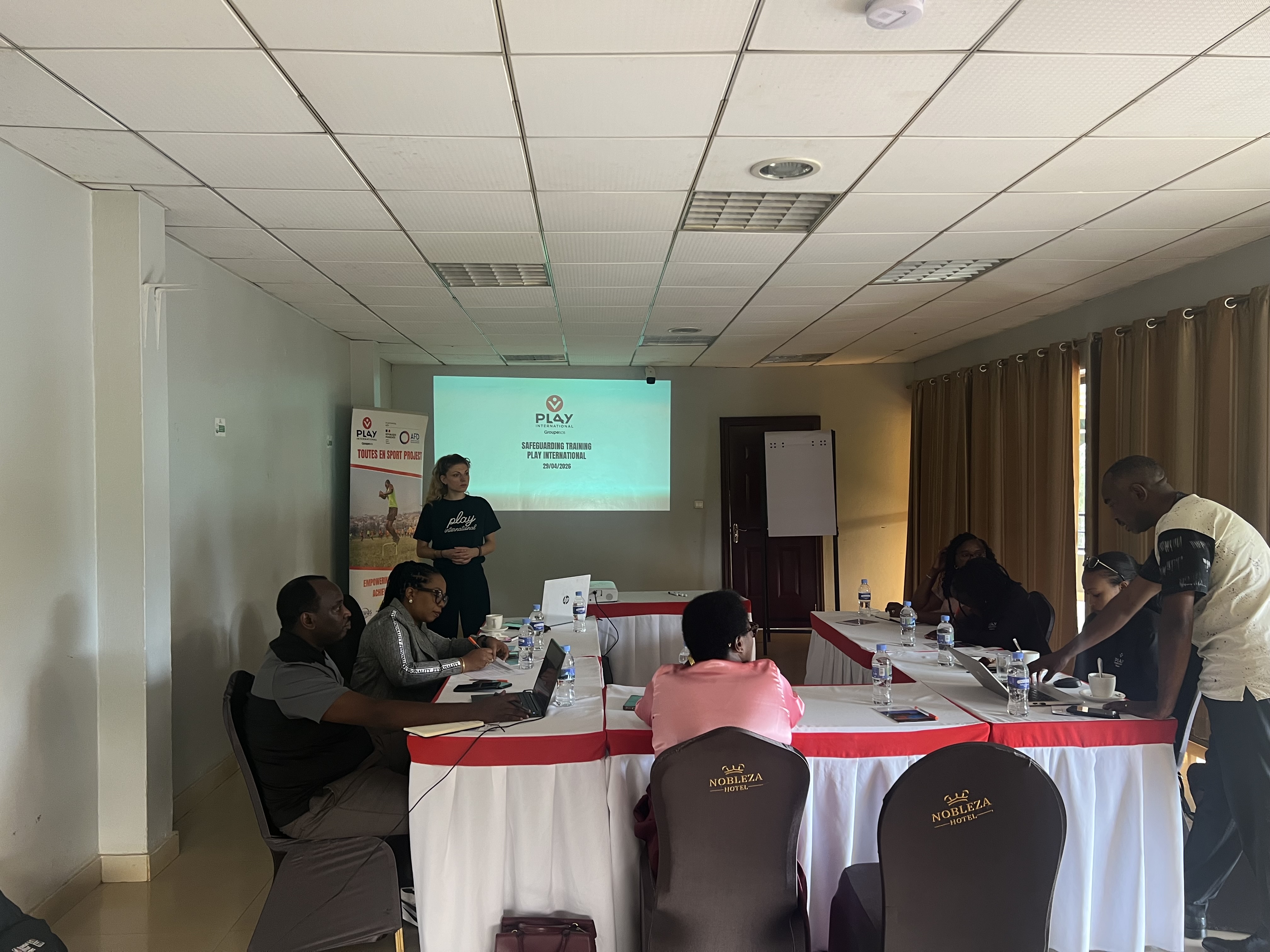
During the sessions, role models explored mentorship, positive influence, and the integration of safeguarding principles into community outreach. They also developed key safeguarding messages to be shared during tournaments, awareness campaigns, and community events.
Some of the safeguarding messages developed included:
“Every child deserves to feel safe, respected, and heard.”
“Positive words build confidence and help children grow.”
“Parents, coaches, and community members all share responsibility for protecting children.”
“Sport and community activities should be spaces of inclusion, support, and learning.”
“Safeguarding starts with the way adults speak to and treat children.”
These messages will contribute to stronger community awareness and encourage collective responsibility for child protection.
Lasting lessons and continued commitment
One of the key lessons highlighted throughout the visit was the lasting impact words and attitudes can have on children. Participants recognized that creating safe environments requires empathy, self-awareness, and consistent positive behavior. Coaches particularly emphasized their commitment to becoming mentors who inspire and support children rather than intimidate them.